Why One NRCF Donor Invests in Community College
September 8, 2026 | By National Rainbow College Fund
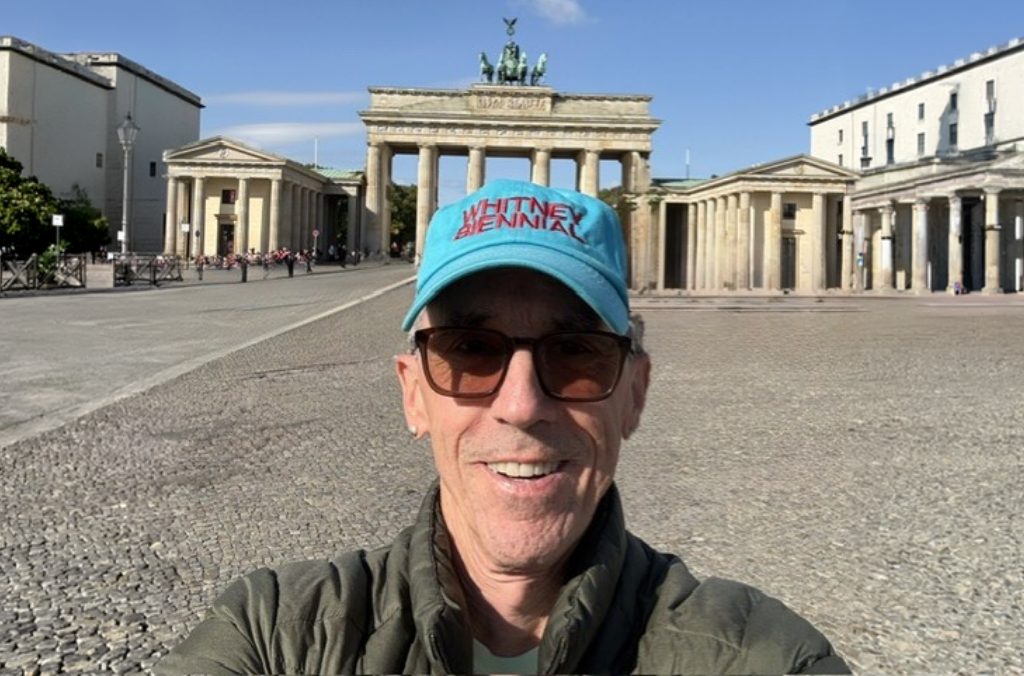
When Kevin Crilly began thinking about where he could make the greatest impact through scholarship support, he found himself returning to something he had learned years earlier while working at UC Berkeley: if you want to make a meaningful difference in higher education in California, don’t overlook community colleges.
Kevin spent much of his career in philanthropy, including serving as executive director of gift planning at UC Berkeley. There, he saw how many students began their higher education at community colleges before transferring into the University of California or California State University systems. He also saw how relatively modest financial gaps could determine whether a student was able to keep going.
“We all, once we get older, forget how you can live pretty close to the margin, and how much difference $1,000, $2,500, $5,000 a year will make,” Kevin said. “Most people don’t think about that.”
That understanding eventually led Kevin to National Rainbow College Fund (NRCF), where he became a donor supporting scholarships for LGBTQ+ students and allies. Like other donors who support NRCF, Kevin helps provide financial support intended to give students greater stability as they pursue their education. NRCF’s privacy-first model allows students to receive that support without requiring them to publicly disclose their sexual orientation or gender identity.
A Pathway That Deserves More Attention
Kevin took a traditional route through higher education, earning his undergraduate degree from George Washington University and later his law degree from the University of Maine School of Law. But his years working in higher education gave him a different perspective on the role community colleges play.
“Most people in California don’t even understand what a great model it is,” he said.
For some students, community college provides an affordable starting point on the way to a bachelor’s degree. For others, it provides training and credentials that lead directly into skilled careers. Kevin points to fields such as nursing and the trades as examples of careers where community colleges can provide a direct pathway into the workforce.
Kevin believes both pathways deserve greater recognition, particularly among donors who may naturally think first about supporting the four-year colleges and universities they attended themselves.
His interest in helping students navigate those financial barriers is also personal.
“I couldn’t have gone to school without piecing together lots of little funds and scholarships and loans,” he said.
He worked throughout college, including during summers and school breaks. Those experiences helped shape the way he thinks about scholarship support today. For Kevin, the goal isn’t simply to help pay tuition. It’s to provide enough flexibility and stability that an unexpected expense doesn’t derail a student’s education.
“I was just trying to provide something that’s flexible and helps stabilize their life, so they can study and get the degree,” Kevin said.
That same idea is central to Kevin’s support of NRCF. Books, transportation, housing, food and other necessities can all affect whether a student is able to remain enrolled, particularly when they are already living close to the financial margin. Scholarship support can help close those gaps before they interrupt a student’s education.
NRCF’s privacy-first approach was another important reason Kevin chose to support the fund. Before becoming involved with NRCF, he had explored other ways to support LGBTQ+ students but encountered challenges ensuring that recipients could maintain their privacy.
“The ability to get the money and yet be confidential” mattered, he said. “I don’t want to put a kid at risk.”
Looking Beyond the Four-Year University
Kevin hopes more donors will consider community colleges when thinking about the role philanthropy can play in education. For students pursuing a four-year degree, community college can provide an affordable place to begin before transferring to a university. For others, it can provide the specialized training and credentials needed to move directly into a career.
“Skilled jobs are needed, and people need to train for [them],” Kevin said.
But regardless of where a student’s education leads, Kevin sees the larger outcome in much the same way: education can provide a pathway toward greater financial stability.
Sometimes the intervention needed to keep someone on that pathway is smaller than people imagine. A scholarship doesn’t need to cover every expense to matter. It can help a student buy books, get to campus, work fewer hours or simply make it through another semester without having to step away from school.
Giving While the Impact Can Be Seen
Kevin’s decision to support NRCF also reflects something he came to value after a career spent helping other people plan their philanthropy. He wanted to give during his lifetime.
“I wanted to do something today, while I’m alive, and I had the capacity,” he said. “When I learned about Rainbow, I thought, yep, this is what I want to do.”
For Kevin, supporting students now means having the opportunity to see what that investment can make possible.